Health and Safety Policy for Carpet Cleaners TW1
 This Health and Safety Policy sets out the standards followed by carpet cleaners TW1 to protect staff, clients, visitors, and property during every stage of work. The aim is to maintain a safe, efficient, and professional service while reducing the risk of injury, illness, fire, damage, and environmental harm. All carpet cleaning activities are planned and carried out with care, competence, and responsibility.
The policy applies to all employees, supervisors, subcontractors, and anyone involved in carpet cleaning operations. It covers risk assessment, chemical use, equipment handling, manual lifting, electrical safety, slip prevention, and emergency response. Each operative is expected to understand that safety is not separate from service quality; it is an essential part of how professional carpet cleaning is delivered.
Management will review work methods regularly and provide suitable training, supervision, and instruction. Where risks cannot be removed entirely, they will be reduced as far as reasonably practicable using safe systems of work, suitable personal protective equipment, and clear communication. Health and safety responsibilities are shared, but accountability begins with planning and continues through to job completion.
Core Safety Principles
Carpet cleaning involves water, detergents, machinery, electricity, and repeated movement within occupied or partially occupied premises. Because of these conditions, operatives must stay alert to hazards such as wet floors, trailing cables, manual strain, poor ventilation, and accidental contact with cleaning agents. Safety checks are completed before work starts, and any unsafe condition is reported immediately.
Risk assessments are carried out for typical and unusual tasks, including access issues, delicate flooring, confined areas, and properties with children, pets, or vulnerable occupants. Cleaners must follow agreed methods and never improvise with equipment or products outside manufacturer instructions. When working in shared or busy environments, extra care is required to keep walkways clear and reduce disruption.
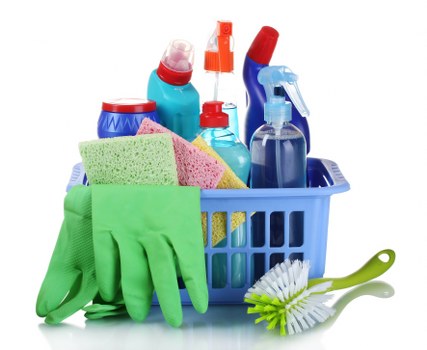 Only suitable products and machines are used for carpet cleaning, and they are maintained in good working order. Damaged hoses, faulty plugs, worn brushes, or leaking containers must be taken out of use until checked. Chemical containers are labelled, stored securely, and handled according to safety data information. Good housekeeping is a daily rule, not an occasional task.
Training, Equipment, and Working Practices
All carpet cleaners receive training in safe lifting, machine operation, chemical dilution, stain treatment, and emergency procedures. New or less experienced workers are supervised until they can demonstrate safe competence. Refresher training is provided when processes change, equipment is updated, or any incident shows that additional instruction is needed.
Manual handling is controlled by reducing unnecessary lifting, using trolleys where practical, and splitting loads into manageable quantities. Staff should bend correctly, avoid twisting, and ask for assistance when moving heavy items or equipment. Repeated strain injuries are prevented by using sensible pacing, alternating tasks where possible, and taking short breaks during long appointments.
Electrical safety is a priority because carpet cleaning often involves powered machines and wet conditions. Equipment is checked before use, connected only to suitable power sources, and kept away from standing water where possible. Operators must never use damaged electrical items or attempt repairs unless authorised and trained to do so.
Chemical and Environmental Controls
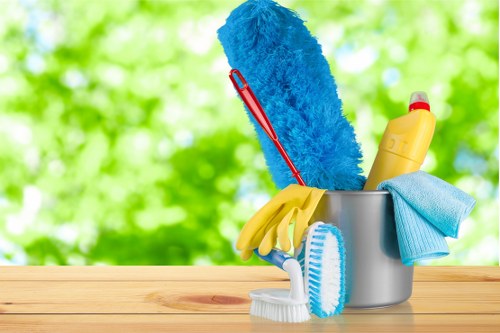 Cleaning chemicals are selected to suit the job and used in the smallest effective amount. Mixing products without approval is prohibited, as unsafe reactions may produce harmful vapours or reduce cleaning performance. Adequate ventilation is maintained whenever strong-smelling or concentrated products are used, and care is taken to protect surfaces that may discolour or become slippery.
Spill control measures are followed at all times. If a liquid is spilled, the area is isolated, cleaned promptly, and dried thoroughly before access is restored. Warning signs or verbal instructions are used when a floor may remain slippery. In occupied settings, operatives must consider the movement of residents, staff, and children, and adapt the work area accordingly.
Waste is managed responsibly, with dirty water, used cloths, and empty containers handled according to safe disposal practices. Environmental awareness supports health and safety because tidy, controlled work areas reduce trip hazards, contamination, and confusion. Where possible, products with lower environmental impact are preferred, provided they meet the required cleaning standard and remain safe to use.
Incident Reporting and Emergency Response
Any accident, near miss, chemical exposure, injury, or equipment failure must be reported without delay. Early reporting helps identify patterns and prevents recurrence. Supervisors will record relevant details, investigate the cause, and introduce corrective measures where needed. Serious incidents may require immediate medical attention, isolation of the work area, or temporary suspension of operations.
First aid arrangements are maintained for each work team, and staff are expected to know the basic response to common incidents such as slips, cuts, eye contact with chemicals, and minor burns. In an emergency, the priority is to protect people, make the situation safe, and seek assistance promptly. Fire exits, evacuation routes, and site-specific instructions must always be respected.
 Managers will also monitor fatigue, stress, and workload, since these factors can reduce concentration and increase the likelihood of mistakes. Safe working practice includes realistic scheduling, enough time for setup and drying, and the ability to stop work when conditions become unsuitable. A safe cleaning operation depends on judgment as well as equipment.
Responsibility and Review
 All workers are responsible for following this policy, using equipment correctly, wearing any required protective items, and speaking up about unsafe conditions. Managers are responsible for making sure risk controls are in place, inspections are carried out, and lessons from incidents are acted upon. Clients and other occupants may also need to cooperate by allowing safe access and avoiding entry to restricted areas.
This policy is reviewed regularly to keep it current with changes in working methods, legal expectations, and operational experience. Where improvements are identified, they will be implemented promptly. The overall goal is simple: to provide a reliable carpet cleaning service while protecting people, property, and the working environment through consistent and thoughtful safety management.