Communal area Cleaning in TW1
If you manage, own, or live in a shared building in TW1, keeping communal spaces clean is about much more than appearance. It affects how residents feel about their home, how visitors experience the property, and how well the building is looked after over time. Communal area Cleaning in TW1 is a practical service for flats, apartment blocks, converted houses, mixed-use buildings, and managed developments that need consistent, reliable upkeep in shared spaces.
From entrance halls and stairwells to lifts, landings, bin stores, and shared glass, communal cleaning helps keep everyday areas fresh, hygienic, and welcoming. In a busy local area such as TW1, where property types vary from period conversions and riverside apartments to modern developments and busy commercial premises, a tailored cleaning plan makes a real difference. The right local team understands access constraints, resident expectations, and the importance of working neatly around people’s routines.
Whether you are a block manager, landlord, residents’ association, freeholder, or business with shared access areas, you may need regular cleaning that is dependable and flexible. This page explains what the service includes, how it works, what affects pricing, and why a local company can be a sensible choice for communal area cleaning TW1.
Why communal cleaning matters in TW1
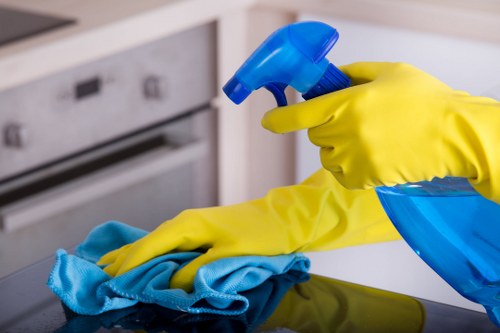
Shared areas are the first part of a property that people see, and they set the tone for everything else. In TW1, many buildings serve multiple households or businesses, so dirt builds up quickly in high-traffic spaces. Dust on skirting boards, fingerprints on glass, rubbish near bin areas, and marks on stair rails can make an otherwise well-kept building feel neglected. Regular communal cleaning helps maintain standards and supports a more pleasant living environment.
There are also practical reasons to keep shared spaces clean. Hallways and stairwells are used daily, which means spills, muddy footprints, and general wear can become a nuisance if left too long. In wet weather, especially during autumn and winter, entrance mats and hard floors can become dirty very quickly. A scheduled service reduces the risk of grime being walked through the building and makes it easier to keep on top of safety and hygiene.
For properties in TW1, shared cleaning can be especially valuable where residents come and go at different times, deliveries are frequent, and visitor traffic is high. The more people use a communal space, the more important it becomes to have a consistent cleaning routine that keeps standards steady week after week.
What is included in communal area cleaning
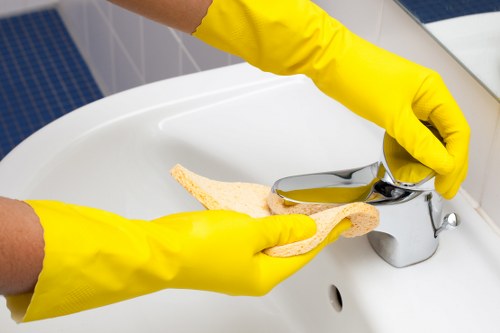
Every building is different, so the service should be shaped around the property rather than forced into a generic checklist. That said, a good communal area cleaning service in TW1 usually focuses on the most commonly used shared spaces and the details that people notice every day.
Typical tasks may include:
- Cleaning entrance halls, lobbies, and reception-style shared areas
- Vacuuming and mopping staircases, corridors, landings, and lift lobbies
- Wiping handrails, banisters, switches, and frequently touched surfaces
- Dusting ledges, skirting boards, window sills, and low-level surfaces
- Removing litter and emptying communal bins where required
- Cleaning internal glass, mirrors, and doors
- Spot-cleaning marks on walls, floors, and doors
- Maintaining bin stores and shared refuse areas
- Reporting visible issues such as breakages, leaks, or excessive mess
Depending on the property, cleaning may also include lifts, shared laundry rooms, mail areas, communal kitchens, or commercial shared entrances. The most effective plans are flexible enough to match the building layout, occupancy levels, and the amount of daily use.
Not every building needs the same frequency or scope. A small converted house with a handful of flats may only need lighter weekly attention, while a larger block or mixed-use premises may need several visits per week. A sensible specification focuses on what residents and managing agents actually need, not unnecessary extras.
Local property types and cleaning challenges in TW1

TW1 includes a wide range of building styles, and each comes with its own cleaning challenges. Period properties and older conversions often have narrow staircases, ornate surfaces, and delicate finishes that require careful attention. Modern apartment buildings may have larger entrances, glass doors, lift areas, and secure access systems that need a neat, methodical approach. Mixed-use properties can combine residential and commercial traffic, which means the shared spaces may need more frequent visits and a broader cleaning scope.
Parking and access can also be a real factor in this part of Twickenham. Some buildings have limited visitor parking, controlled entry, or narrow roads that make carrying equipment less straightforward. A local team familiar with TW1 is more likely to plan visits efficiently, arrive prepared for the building setup, and work around access arrangements without causing disruption. That matters if cleaning is taking place before residents head out for the day or after business hours when customers and staff have already come and gone.
Another common local issue is heavy footfall from residents, visitors, and tradespeople. In shared blocks, even a small amount of debris can spread quickly from one floor to another. In commercial premises, shared entrances can collect outdoor dirt fast, especially when people are moving in and out all day. A reliable communal cleaner helps keep these spaces under control before mess becomes noticeable or unpleasant.
Why a nearby service provider can be helpful
A local team often understands the rhythm of the area better. They know that access arrangements may vary between properties, that some blocks have strict entry procedures, and that shared areas need to be cleaned carefully without interfering with residents. This kind of practical awareness is often just as important as the cleaning itself.
Who our communal cleaning service is for

Communal area Cleaning in TW1 is suitable for a range of property types and decision-makers. If you are responsible for a building with shared areas, regular cleaning can help protect the property’s appearance and support day-to-day living standards. The service is commonly arranged by:
- Block managers and property managers
- Freeholders and leaseholders
- Residents’ associations
- Landlords with shared hallways or stairwells
- Letting agents managing converted properties
- Commercial landlords and facilities teams
- Mixed-use developments with residential and business access
For residential buildings, the main aim is usually to keep shared areas tidy, hygienic, and pleasant for the people who live there. For commercial customers, the goal may include keeping a professional first impression, supporting workplace hygiene, and reducing the everyday wear that shared spaces naturally attract.
It is also useful for smaller buildings that do not need a full-time on-site cleaner but still want regular attention. In these cases, a scheduled external service can provide a practical balance between cost, consistency, and presentation.
In short, if people share the space, they benefit from a proper cleaning plan.
How the service usually works

The best communal cleaning arrangements are straightforward. They should be easy to understand, easy to manage, and designed around the building’s actual needs. A typical process may begin with a brief discussion about the property, its layout, how often the shared areas are used, and which spaces need attention.
Once the cleaning requirements are clear, the service can be scheduled at suitable times. Some buildings need early morning cleaning before residents leave, while others prefer daytime or evening visits. For commercial premises, the timing may be arranged to avoid business traffic or to fit around opening hours. Regular visits help maintain consistency, while occasional deep cleans may be used to deal with buildup that standard maintenance cannot fully remove.
A well-organised communal cleaning routine may include:
- Assessment of the building’s shared spaces and access points
- Selection of the right cleaning frequency
- Agreed task list for each visit
- Routine cleaning carried out to the same standard each time
- Follow-up adjustments if the building’s use changes
Clear communication is valuable too. If residents report recurring issues such as muddy entrances, overflowing bins, or marks in busy areas, the service can often be adjusted to address them more effectively. This is one reason customers often prefer a local team that can respond quickly and keep things practical.
What to expect from a professional cleaning routine
Consistency, attention, and discretion
Good communal cleaning is not only about doing a job once. It is about doing it regularly and carefully so the building remains presentable over time. In shared residential blocks, people value cleaners who work respectfully, keep noise to a minimum, and leave areas looking neat rather than simply “done.” In commercial settings, discretion and timing are equally important.
Many customers want more than a simple sweep and mop. They want surfaces wiped properly, dust removed from corners, glass kept clear, and communal touchpoints maintained in a hygienic condition. That attention to detail becomes especially noticeable in buildings with regular visitors or high resident expectations. A cleaner can help create a better impression without disrupting everyday use.
It is also important that the team understands the building’s features. Some stairwells have painted walls that mark easily, some entrances have polished floors that need the right product, and some communal spaces include lifts or metal fittings that benefit from careful treatment. A professional approach means choosing suitable methods for the surface rather than applying the same routine everywhere.
Common cleaning priorities
Most customers want the following priorities covered:
- Clean first impressions at entrances
- Safe, tidy stairwells and corridors
- Dust and debris removed from high-traffic areas
- Bins and refuse spaces managed sensibly
- Shared touchpoints cleaned regularly
Benefits of regular communal area cleaning
Regular cleaning offers more than a visual improvement. It supports comfort, hygiene, and the overall sense that a property is being properly cared for. In TW1, where residents may live in close proximity and properties vary greatly in age and style, those benefits are often easy to notice.
Some of the key advantages include:
- A cleaner, more welcoming entrance for residents and visitors
- Reduced buildup of dust, litter, and everyday grime
- Better presentation for managed buildings and shared facilities
- More comfortable communal living in multi-occupancy properties
- Improved upkeep of floors, glass, and hard surfaces
- Support for good hygiene in frequently touched areas
- Less time spent by residents or staff trying to manage recurring mess
Regular maintenance is usually easier and more effective than occasional catch-up cleaning. When communal spaces are cleaned consistently, the work is less disruptive, and it helps prevent small issues from turning into bigger ones. That can be useful in anything from a compact conversion to a large development with several floors.
For many customers, the biggest benefit is peace of mind. Knowing that shared areas are being looked after by a dependable local cleaner makes building management simpler and improves the daily experience for everyone using the property.
Pricing factors for communal cleaning
What affects the quote
Customers often want to know what influences the cost of communal area cleaning. Because every building is different, pricing is usually shaped by practical factors rather than a flat approach. This helps ensure you only pay for the level of service your property needs.
Common pricing factors may include:
- Size of the communal areas
- Number of floors, staircases, or corridors
- Frequency of visits needed
- Whether lifts, glass, or bin stores are included
- Condition of the property and level of buildup
- Ease of access and parking arrangements
- Any special requirements for delicate surfaces or busy commercial spaces
A building that needs a quick weekly tidy will naturally differ from a larger block that requires more detailed and frequent attention. Likewise, shared spaces that experience heavy footfall may need extra care around entrances and touchpoints. A tailored quote is usually the best way to match the work to the property.
If you are arranging cleaning for the first time, it can help to think about the areas that cause the most concern. Is it the entrance floor, the stairwell, the bin area, or the glass doors? Identifying the priorities makes it easier to request a sensible service and a realistic schedule.
Preparation checklist before the first visit
Helping the service run smoothly
A little preparation can make communal cleaning more efficient from the very first visit. This does not mean residents or managers need to do the cleaner’s job. It simply helps the cleaning team work smoothly and safely in a shared environment.
- Make sure access arrangements are clear
- Confirm which areas are included and which are excluded
- Let residents know if work will happen at a specific time
- Move personal items from shared spaces where possible
- Highlight any delicate surfaces, security doors, or coded access points
- Report known problem areas such as persistent spills or bin overflow issues
Where a building has limited parking or restricted entry, it helps to plan in advance. This is especially useful in TW1, where some properties may have narrow access routes or controlled parking close to residential entrances. A local cleaner can often adapt more easily to those arrangements when they are briefed clearly in advance.
Good preparation supports a better result and reduces the chance of delays.
Areas covered around TW1
Customers looking for communal area Cleaning in TW1 often need a service that is local to the wider Twickenham area as well. A nearby team may be able to support buildings in surrounding neighbourhoods and nearby parts of the borough, especially where regular shared-area upkeep is needed.
Depending on the route and access arrangements, service may also be relevant for properties near:
- Twickenham town centre
- St Margarets
- Richmond borders
- Whitton nearby areas
- Riverside residential developments
- Mixed-use premises and local business units
What matters most is not only the postcode but the type of building, the access setup, and the frequency of cleaning needed. A local company is often better placed to keep visit times reliable and respond to building-specific needs without lengthy delays or unnecessary travel complications.
If your property sits just inside or around TW1, it is worth asking whether a cleaning schedule can be arranged around your building’s access and usage patterns. For many shared properties, a nearby service is the most practical option.
Why choose a local company for communal cleaning
Practical knowledge matters
Choosing a local provider for communal cleaning can offer several practical benefits. The team is more likely to understand the kinds of properties common in TW1, the traffic patterns in the area, and the access limitations that can affect timing and delivery. That local awareness helps keep the service efficient and dependable.
A local company can also be more responsive if your needs change. For example, if your block has an increase in occupancy, a seasonal rise in dirt from outside, or a temporary problem in the bin store, a nearby team may be easier to schedule. That flexibility matters when you want a service that supports day-to-day living rather than one that simply follows a rigid routine.
Another benefit is better alignment with local expectations. TW1 includes homes and businesses with different standards and different uses of shared space. A cleaner who understands the area is more likely to deliver work that feels appropriate to the building, whether it is a modest stairwell in a converted house or a larger entrance area in a modern development.
Local service is often about convenience, familiarity, and consistency. If you want a routine that fits the property and the people who use it, that local knowledge can make a noticeable difference.
Frequently asked questions
How often should communal areas be cleaned?
The right frequency depends on how many people use the space, the size of the building, and how quickly dirt appears. Some smaller blocks need weekly cleaning, while busier properties may need more frequent visits. A tailored schedule is usually the best starting point.
Can the service be adapted for commercial buildings?
Yes. Shared entrances, corridors, reception areas, and refuse points in commercial or mixed-use premises can usually be included. Timing and task lists can be adjusted around business hours and access requirements.
What if our building has limited parking or restricted entry?
That is common in TW1 and the surrounding area. A local cleaner can often work around coded entry, timed access, or nearby parking limitations if the arrangements are explained clearly before the visit.
Do you clean bin stores and refuse areas?
These areas are often included, depending on the service plan. Bin stores can become messy quickly, so many customers ask for them to be kept in the routine whenever access permits.
Can communal cleaning help with odours and hygiene?
Yes, especially when bin areas, entrances, and high-touch surfaces are cleaned regularly. While it is not a substitute for proper waste management, regular cleaning can make shared spaces feel fresher and more pleasant.
Is this suitable for small converted properties?
Absolutely. Smaller buildings often benefit greatly from a simple, regular cleaning routine, especially if residents want to avoid a buildup of dirt in stairwells and shared entrances.
Choosing the right service level for your building
Matching the clean to the property
Some shared buildings need light maintenance, while others need a more detailed routine. The right service level should reflect the actual use of the space. For instance, a quiet residential block may need regular vacuuming, mopping, and touchpoint cleaning. A larger development might also need glass cleaning, more frequent waste-area attention, and closer monitoring of entrances.
It can be useful to separate core tasks from extra tasks. Core tasks might include hallways, stairs, and touchpoints. Extra tasks could include internal window cleaning, lift detailing, or more regular bin store cleaning. This makes it easier to build a service plan that is practical and affordable for the building.
When the service matches the property properly, residents usually notice the difference quickly. The building feels looked after, the shared areas stay tidier between visits, and the pressure on management or residents to deal with recurring mess is reduced.
Ask for a service plan that fits your building, not one that was designed for a different type of property.
What makes a strong communal cleaning routine
A strong routine is built on reliability, attention to detail, and a clear understanding of the building. It should cover the spaces people use most, keep to agreed timing, and avoid unnecessary disruption. In shared spaces, consistency matters more than occasional over-cleaning.
A useful routine often includes:
- Regular cleaning at agreed intervals
- Clear task lists for each visit
- Awareness of sensitive surfaces and building rules
- Attention to entrances, stairs, and shared touchpoints
- Flexibility when usage or weather changes the cleaning need
For many property managers, that routine is one of the simplest ways to protect the building’s presentation and keep residents satisfied with the shared environment. For residents, it means walking into a space that feels tidy, maintained, and more comfortable every day.
If your current arrangement is inconsistent or hard to manage, it may be time to request a fresh quote and compare what a more structured service could look like.
Book communal area cleaning in TW1
If your shared building needs dependable upkeep, a local team can help put the right routine in place. From entrance halls and stairwells to bin areas and lift lobbies, Communal area Cleaning in TW1 is designed to keep shared spaces presentable, hygienic, and easier to manage.
Whether you are arranging cleaning for a residential block, a conversion, or a mixed-use property, the next step is simple: identify the spaces that need attention, decide how often they should be cleaned, and request a quote based on your building’s actual needs.
Contact us today to discuss your property, request a free quote, or book your service now if you are ready to improve the condition of your shared areas. A well-planned cleaning schedule can make everyday life easier for everyone who uses the building.
For local customers in TW1, a reliable communal cleaning service is one of the most practical ways to keep a shared property looking cared for all year round.