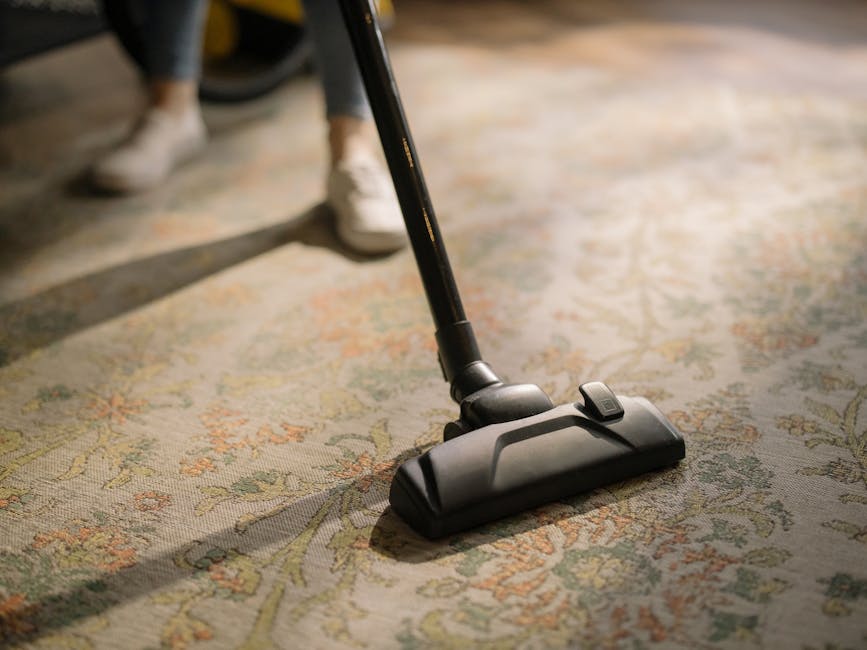
What to know about Richmond Council rules for carpet cleaning

If you are trying to work out What to know about Richmond Council rules for carpet cleaning, you are probably dealing with one of three things: a tenancy clean, a domestic refresh, or a carpet that has become a bit of a problem after pets, mud, or everyday wear. Truth be told, most people do not need a legal lecture. They need plain English. What can you do, what should you avoid, and when does the council or building management actually care?
That is exactly what this guide covers. We will look at the practical side of carpet cleaning in Richmond, including safety, waste water, access, noise, tenancy expectations, and the kind of good practice that keeps jobs smooth. If you are arranging a deeper clean as part of a full property refresh, you may also find the broader guidance on deep cleaning useful, especially when carpets are just one piece of a bigger plan.
Let's face it: most carpet cleaning issues are not dramatic. They are small details that turn into bigger headaches if you ignore them. A wet hallway on a shared stairwell, a strong chemical smell in a flat, overspray near skirting boards, or noise at the wrong time of day can all cause complaints. So, if you want the job done properly and without surprises, read on.
Why Richmond Council rules for carpet cleaning matter
Richmond Council may not publish a special rulebook just for every carpet-cleaning scenario, but local expectations still matter. In practice, the council's concerns usually sit around nuisance, hygiene, safety, waste handling, and whether a cleaning job creates problems for neighbours or shared spaces. That is the real-world angle most people miss.
If you live in a flat, manage a rental, or clean in a shared building, a carpet job can affect other people quickly. Water can travel. Dirty extraction liquid can drip. Strong products can linger in the air. A vacuum, scrubber or steam machine at the wrong hour can annoy the downstairs neighbour who is trying to work from home. Small thing? Maybe. But these are the details that often trigger complaints.
Richmond, like other London boroughs, is also a place where properties vary a lot. You have period homes, conversions, riverside flats, family houses, offices, and communal blocks. One building may have thick carpets and generous access; another may have tight stairwells and fussy management rules. So, "carpet cleaning" is never just carpet cleaning. It is also about where, when, and how you do it.
One sensible habit is to check your building's own rules before booking. Managing agents sometimes care more than the council does. If there are shared halls, lift bookings, or insurance conditions, you should respect those first. For business premises, the expectations can be even tighter, especially if you are arranging commercial cleaning alongside carpet work.
Expert summary: The council angle is less about one single carpet rule and more about avoiding nuisance, managing waste responsibly, and keeping your cleaning safe for people, property, and shared spaces.
How Richmond Council rules for carpet cleaning works in practice
There are a few moving parts here, and they are worth separating. The first is the carpet cleaning method itself. The second is how the job affects the property and surrounding people. The third is whether you are in a domestic, rental, or commercial setting. That is the practical framework to keep in mind.
Most professional carpet cleaning falls into one of these approaches:
- Hot water extraction / steam carpet cleaning for deeper soil removal and stains.
- Low-moisture or dry systems where fast drying is a priority.
- Spot treatment and stain removal for isolated marks or high-risk fabrics.
- Odour-focused treatments for pet accidents, spillages, or stale smells.
If you are weighing up methods, the service overview for steam carpet cleaning is a good place to understand the deep-clean approach, while stain removal and pet stain and odour removal are more targeted when the problem is specific rather than all-over.
The practical "rules" usually look like this:
- Do not create avoidable mess in communal areas.
- Use products that are suitable for the carpet type.
- Keep noise and access disruption reasonable.
- Dispose of waste water correctly.
- Allow proper drying and ventilation.
- Protect adjoining surfaces and furnishings.
In other words, even if a council doesn't have a line saying "carpet cleaning must be done this way," the outcome still has to be sensible. A soaked stair carpet, a slippery landing, or residue running into a shared drain area is not just untidy; it can become a safety problem.
For rented homes, the issue is often end-of-tenancy expectations. Tenants want to know what they must leave behind, and landlords want evidence that the property has been returned in decent condition. If that is your situation, you may want to compare with end of tenancy cleaning or move out cleaning, because carpets are often judged as part of the wider handover rather than on their own.
Key benefits and practical advantages
When carpet cleaning is handled with the council context in mind, the benefits go beyond a nicer-looking floor. You get less friction, fewer complaints, and a lower chance of damage or rework. That sounds obvious, but in real life it saves time and stress.
- Cleaner indoor air: Removing dust, grit, and old spills can make rooms feel fresher.
- Better presentation: Useful for rentals, offices, guest accommodation, and family homes.
- Reduced odours: Particularly helpful where pets or damp shoes have left a lingering smell.
- Less wear over time: Dirt trapped in fibres can act like sandpaper.
- Fewer disputes: Good records and good cleaning reduce arguments at move-out.
- Safer surfaces: Proper drying and controlled access help prevent slips.
There is also a mental benefit, honestly. A freshly cleaned carpet changes how a room feels. You notice it when the light hits the pile and there is no dull grey film left. Even a small hallway can seem calmer. That matters if you are preparing for guests, clients, or a new tenancy.
If the job is part of a wider property reset, you might combine it with house cleaning or one off cleaning. For business properties, office cleaning or commercial carpet cleaning may make more sense because the priorities are different: speed, disruption, and appearance during working hours.
Who this is for and when it makes sense
This topic matters to more people than you might think. Some are trying to stay compliant, some just want a clean carpet, and some are trying to avoid a deposit dispute. Different motives, same practical need.
- Tenants: Especially if the tenancy agreement expects the property to be returned in a clean condition.
- Landlords and letting agents: Useful for handovers, inspections, and regular upkeep.
- Homeowners: Good for seasonal refreshes, allergy management, or post-renovation dust.
- Businesses: Helpful in reception areas, corridors, meeting rooms, and shared working spaces.
- Hosts and short-let operators: Relevant where turnover is quick and presentation has to be spotless.
- Property managers: Particularly in communal areas where access and safety matter a lot.
If you are managing a short-let or guest property, the context can be a little different again. Carpet care often has to fit around bookings, so services like Airbnb cleaning can be helpful where speed and consistency are key. For properties with mixed flooring, hard floor cleaning may also be part of the plan.
When does it make sense to book? Usually when you see any of the following:
- visible staining or dark traffic lanes
- stale smell after pets, smoke, or damp shoes
- pre-tenancy or post-tenancy preparation
- post-build dust settling into the fibres
- seasonal deep cleaning, often spring or early autumn
To be fair, you do not need to wait until the carpet looks terrible. By then, the job usually takes longer and the result can be more variable.
Step-by-step guidance
If you want a straightforward way to approach carpet cleaning in Richmond without tripping over avoidable issues, follow this sequence. It is simple, but the order matters.
- Check the property setting. Is this a house, flat, office, or communal area? Shared buildings need more coordination.
- Review any tenancy or building conditions. Look for carpet cleaning, access, or quiet-hour rules.
- Inspect the carpet. Note stains, wear, loose seams, delicate fibres, and existing damage before any cleaning starts.
- Choose the right method. Steam, low-moisture, or targeted stain treatment all suit different situations.
- Protect nearby surfaces. Use guards or towels around skirting, furniture legs, and entrances.
- Manage ventilation. Open windows where practical and keep airflow moving.
- Allow proper drying time. Do not rush furniture back too soon. That is how marks reappear.
- Check the finish. Look at edges, corners, and high-traffic paths, not just the centre of the room.
It is also wise to ask how waste water and residues are handled. A responsible cleaner should be able to explain that clearly, without being vague. If they seem slippery on this point, I would pause. A good provider should be able to talk sensibly about the process and the aftercare.
For people who prefer to book a broader property refresh rather than a carpet-only visit, services such as domestic cleaning or regular cleaning can make life easier. Sometimes a one-off carpet clean is enough. Sometimes it is the start of a better routine.
Expert tips for better results
Here is where the small wins live. These are the details that usually separate a decent result from a really good one.
- Vacuum thoroughly first. Dry soil blocks the cleaner from reaching the fibre properly.
- Test delicate areas. Wool, blends, and older carpets can react differently.
- Lift furniture if needed. But only if it is safe and the cleaner agrees. No point injuring your back for a sofa leg.
- Deal with spots early. Fresh spills are easier than old, set-in marks.
- Keep people off the carpet while it dries. Footprints on damp pile are a nuisance, and they can flatten the finish.
- Use door mats after cleaning. This helps prevent re-soiling straight away.
A practical local insight: in older Richmond properties, especially where entryways are tight or stairs are narrow, access can be the hardest part. The cleaning itself may be fine, but getting equipment in and out cleanly can be the real job. A bit of planning avoids awkward moments. Nobody wants to carry a wet machine through a freshly painted hallway. Been there, regretted that.
If odour is the main complaint, do not just mask it. Look for the source. Pet accidents, moisture, underlay issues, or old spillages need treating properly. In those cases, pairing carpet work with mattress cleaning, sofa cleaning, or upholstery cleaning can help the whole room feel clean rather than half-done.
Common mistakes to avoid
A surprising amount can go wrong with a carpet clean, especially when people rush or assume all carpets are the same. They are not. Not even close.
- Using too much water: This can leave carpets soggy, slow to dry, and vulnerable to odour.
- Skipping pre-inspection: If damage exists already, you want a record before cleaning starts.
- Overusing strong chemicals: More is not always better. Sometimes it is just more residue.
- Ignoring ventilation: Poor airflow makes drying slower and can trap smell.
- Cleaning without warning neighbours in shared blocks: A five-minute heads-up can prevent a complaint.
- Rushing furniture back too early: That is how dents, stains, and impressions happen.
- Assuming council rules are the only rules: Building leases, insurers, and landlords may have extra expectations.
One common mistake at end of tenancy is focusing only on the visible carpet area and forgetting edges, skirting lines, and under furniture. Inspectors notice that sort of thing quickly. They always do, somehow.
Another one: trying to cover a major stain with perfume or a scented spray. Smells nice for ten minutes. Then the original problem comes right back. If you need proper treatment, use a genuine stain or odour service rather than a quick disguise.
Tools, resources and recommendations
You do not need a van full of specialist kit to make sensible decisions, but a few tools and documents help a lot.
| Item | Why it helps | Best use |
|---|---|---|
| Pre-clean checklist | Confirms access, furniture movement, and stain history | Before any appointment |
| Carpet fibre notes | Helps match the method to the material | For delicate or older carpets |
| Ventilation plan | Speeds drying and reduces trapped odour | Flats and enclosed rooms |
| Photo record | Useful for tenancy or insurance discussions | Before and after the clean |
| Product suitability notes | Prevents damage from unsuitable chemicals | Wool, loop pile, and mixed fibres |
For service planning, it can also help to check company information pages before booking. If you want to understand how a provider approaches safety, policies, and handling of customer information, the pages on insurance and safety, health and safety, and privacy can give you a clearer sense of professionalism. It is not glamorous reading, admittedly, but it does matter.
For price planning, the page on pricing and quotes can help set expectations. And if you are comparing service standards or want to understand the business behind the service, about us is often worth a look before you book.
Law, compliance, standards and best practice
We should be careful here. Richmond Council rules are only one part of the picture, and not every carpet-cleaning situation is governed by the council in the same way. What actually matters is a combination of local nuisance expectations, landlord or lease terms, health and safety practice, and general environmental responsibility.
Good practice in the UK usually means:
- working safely around electrical equipment and wet surfaces
- using cleaning agents as directed by the manufacturer
- avoiding unnecessary runoff or waste
- keeping entrances, stairs, and communal areas free from slip risks
- being considerate about noise, timing, and access in shared properties
In a commercial setting, compliance becomes even more practical. Businesses often need cleaners who can work around opening hours, keep fire exits clear, and protect sensitive flooring or reception areas. That is where commercial carpet cleaning and office cleaning fit neatly together.
For householders, the main compliance issue is usually not a criminal one. It is about preventing damage, avoiding complaints, and keeping within tenancy or building expectations. If your lease or tenancy agreement asks for carpets to be professionally cleaned, keep that evidence. A receipt, job note, or before-and-after photo set can save a lot of back-and-forth later. Simple, but effective.
One more point: if you are in a communal building, protect common areas. That is not just courtesy. It is often the difference between a smooth job and a messy conversation in the hallway at 8:00 on a weekday morning.
Options, methods, and comparison table
Choosing the right carpet-cleaning method is not about finding the "best" one in theory. It is about matching the method to the carpet, the stain, the deadline, and the amount of disruption you can tolerate.
| Method | Best for | Pros | Watch-outs |
|---|---|---|---|
| Steam / hot water extraction | Deep soil, general refresh, stubborn marks | Strong clean, widely used, effective on many carpets | Longer drying time, not ideal for every fibre |
| Low-moisture cleaning | Busy homes, offices, time-sensitive jobs | Faster drying, less disruption | May need more targeted stain work |
| Spot treatment | Single stains, localised damage | Quick and focused | Not a substitute for full cleaning if the carpet is generally dirty |
| Odour treatment | Pet smells, spill-related odours, stale rooms | Tackles the source rather than the symptom | May need repeat treatment if the source is deep in the underlay |
If the room is full of furniture or you are after a broader clean, it is worth thinking beyond the carpet itself. A service like one off cleaning can be a better fit for a full reset, while regular cleaning suits homes or offices that need upkeep rather than rescue work. You know your space better than anyone, so trust the reality of it, not just the label.
Case study or real-world example
Here is a realistic example from the kind of situation people face all the time in Richmond.
A tenant in a first-floor flat notices dark tracks in the hallway carpet and a faint dog smell after a few months of muddy-weather walks. The tenancy agreement asks for the property to be left clean and tidy, and the managing agent has a note about keeping communal areas clear during any maintenance work. The tenant does not want a complaint, and fair enough.
Instead of trying to do everything in one rushed evening, they break the job down. First, they check the building access times. Then they clear the hallway and note the worst stains. They book a carpet clean and ask for a method suitable for a flat, so drying time and disruption are kept sensible. They also make sure shoes are kept off the carpet until it is fully dry, which sounds basic, but people forget.
The result is not just a cleaner carpet. The hallway no longer smells damp, the stairwell stays dry, and the handover is straightforward. No drama, no awkward calls, no "we need to talk about the carpet" email. That is the real win.
The same logic applies to family homes after renovations, too. If you have dust, plaster residue, or building traffic, you may need to pair carpet work with after builders cleaning. Likewise, if your move involves the whole property, move in cleaning can help the new place feel properly ready.
Practical checklist
Use this quick checklist before you book or begin carpet cleaning in Richmond.
- Confirm whether the property is domestic, rented, shared, or commercial.
- Check tenancy, lease, or building rules for access and cleaning expectations.
- Note any stains, odours, or visible damage before the job starts.
- Choose the right cleaning method for the carpet type and drying time.
- Warn neighbours or building management if shared access could be affected.
- Protect entrances, walls, and furniture legs.
- Make sure ventilation is available after cleaning.
- Keep children and pets off the carpet until it is dry.
- Take photos if the clean is linked to a tenancy, handover, or insurance claim.
- Check the final result at edges, corners, and high-traffic areas.
If you are also cleaning rugs or nearby soft furnishings, the relevant services can help you keep everything consistent, not patchy. That is where rug cleaning, curtain cleaning, and sofa cleaning can make a room feel genuinely finished.
Get a free quote today and see how much you can save.
Conclusion
What to know about Richmond Council rules for carpet cleaning comes down to this: do the job safely, consider the people around you, and match the method to the property. The council angle is mostly about avoiding nuisance, mess, and risk, while the practical reality is shaped by tenancy terms, building rules, and common sense.
If you plan ahead, use the right method, and allow enough drying time, carpet cleaning becomes a simple improvement rather than a hassle. That is especially true in Richmond, where homes and buildings vary so much that a little care goes a long way.
And honestly, that bit of care shows. In the quiet of a room after cleaning, when the carpet looks even again and the air feels lighter, you know you have done it properly.
Frequently Asked Questions
Do Richmond Council rules ban carpet cleaning in flats?
No, not in any general sense. The bigger concern is how the cleaning is carried out. In flats, you need to avoid creating nuisance, noise, wet floors in shared spaces, or unsafe conditions for neighbours.
Do I need permission to clean carpets in a shared building?
Sometimes, yes. It depends on the lease, the managing agent, and how much access or communal area use is involved. If equipment or water might affect common parts, it is sensible to check first.
What is the safest carpet-cleaning method for rental properties?
There is no one perfect method for every rental. Steam cleaning works well for deeper soil, but low-moisture methods may be better when fast drying is more important. The right choice depends on fibre type, stain level, and access.
Can I clean carpets myself and still meet tenancy expectations?
Yes, sometimes. But if your tenancy expects professional cleaning, or the carpet is heavily stained, a DIY job may not be enough. The key is whether the result meets the condition required at handover.
How long should carpets dry after cleaning?
Drying time varies by method, ventilation, room temperature, and carpet thickness. In practice, faster-drying methods are useful in busy homes, but you should always allow enough time before walking on the carpet normally.
What should I do if the carpet smells after cleaning?
That can happen if too much moisture is left behind, if the source of the odour was not fully treated, or if ventilation is poor. Fresh air, better drying, and source-based treatment usually matter more than extra fragrance.
Does Richmond Council care about waste water from carpet cleaning?
The council is mainly concerned with responsible behaviour and preventing mess or pollution. Waste water should be handled carefully, especially if it could cause problems in shared areas or drainage systems.
Is steam carpet cleaning suitable for every carpet?
No. Some carpets, especially delicate fibres or older installations, may need a gentler approach. A proper inspection should happen before deciding on the method.
What evidence should I keep after a carpet clean?
Keep the invoice, job notes, and photos if the clean is linked to a tenancy or dispute. That simple record can be very useful later.
Can carpet cleaning help with pet odours?
Yes, provided the cleaner targets the source properly. Surface cleaning alone may not be enough if the smell has reached the underlay or padding. In those cases, odour treatment is often needed.
Should I combine carpet cleaning with other cleaning services?
Often, yes. If the room has dusty upholstery, stained rugs, or nearby hard floors, a combined clean can give a better overall result. It is usually more efficient too.
How do I choose a carpet cleaner in Richmond?
Look for clear pricing, sensible advice, safety awareness, and a method that fits your carpet rather than a one-size-fits-all pitch. Pages like pricing and quotes, terms and conditions, and contact us are useful starting points when you want to understand how a provider works before booking.